China Top Cocoa Butter Press Machine Supplier?
China has become an important manufacturing base for cocoa processing equipment, including the Cocoa Butter Press Machine. Global demand supports this trend. The International Cocoa Organization’s 2023/24 cocoa statistics placed world cocoa bean grinding above 4.5 million tonnes. That scale requires dependable equipment, not attractive catalog language alone. Cocoa processors need stable pressure, controlled temperature, and consistent butter separation.
A capable Chinese supplier should explain measurable performance. Key details include pressing capacity, residual fat in cocoa cake, butter yield, hydraulic pressure, heating method, and power consumption. The machine should also use suitable food-contact materials, such as carefully specified stainless steel in product-contact areas. ISO 9001 certification can support process consistency, but certification alone does not prove machine performance. Factory testing matters more. Ask for test records, sample outputs, maintenance schedules, and videos showing actual operation.
Market research from Grand View Research and similar industrial equipment reports indicates continued investment in cocoa processing as chocolate and confectionery demand expands. However, forecasts vary by research method and region. That deserves caution. No supplier is perfect. A lower quoted price may hide weaker seals, limited spare parts, or slower technical support. A reliable China supplier should provide clear drawings, electrical specifications, installation guidance, and after-sales assistance. Buyers should compare verified data, not promises. The best Cocoa Butter Press Machine is not simply the largest model. It is the model that delivers repeatable results, manageable cleaning, and practical service support for the buyer’s real production conditions.
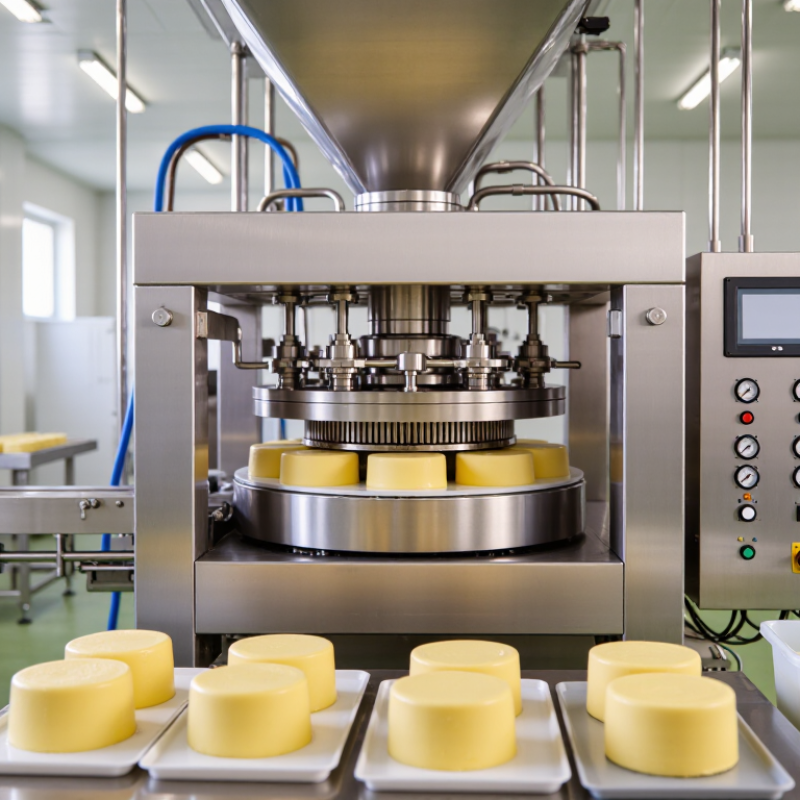
Cocoa Butter Press Machines: Role in Cocoa Processing and 29–31°C Melting Behavior
China Top Cocoa Butter Press Machine Supplier?
A cocoa butter press separates fat from roasted, ground cocoa liquor through controlled pressure. Machine design strongly affects yield, clarity, and cleaning time. A reliable supplier should provide food-contact steel, stable hydraulic control, and accessible filtration parts. Operators also need clear records for pressure, feed temperature, batch weight, and butter output. These details support repeatable production and make technical problems easier to trace.
Melting behavior deserves careful attention. Cocoa butter may soften around 29–31°C, depending on its crystal structure and previous cooling history. It can look solid but begin releasing oil under pressure. The number is useful, but not absolute. A feed stream at 30°C may flow poorly if large crystals remain. Gentle, even heating can improve movement without damaging flavor. Excessive heat may reduce control and create unnecessary energy costs. The press should warm the cocoa mass gradually, not force it through a hot chamber.
In practical trials, I would check the butter at several points. Record its color, aroma, flow rate, and filter residue. Watch for sudden pressure increases. They may indicate thick feed material or partial blockage. One small mistake is trusting the temperature display alone. Sensor location matters. I would also test different pressing cycles with the same cocoa batch, then compare yield and texture. Results can vary more than expected. This is where supplier training, spare parts, and documented service procedures become important.
Hydraulic Press Principles, Typical 400–600 bar Operating Pressure, and Yield Factors
China Top Cocoa Butter Press Machine Supplier?
A reliable cocoa butter press uses hydraulic force to separate liquid butter from cocoa solids. Prepared cocoa mass enters a heated pressing chamber, often inside filter cloths or perforated plates. A hydraulic cylinder then applies controlled pressure through a piston. Typical operating pressure ranges from 400 to 600 bar, but the correct setting depends on press design, material condition, and cycle time. Higher pressure is not always better.
In practical trials, cocoa mass should remain warm enough to flow without scorching. Many processors monitor product temperature, pressure rise, and butter clarity during every cycle. Particle size matters too. Fine, uniform particles usually release butter more consistently, while uneven grinding can leave dense pockets in the cake. Moisture also affects separation. Excess moisture may reduce flow and create unstable cakes. It can become messy.
Yield depends on cocoa variety, roasting conditions, fat content, filling weight, pressing temperature, and cloth cleanliness. A realistic supplier should provide test data from comparable cocoa mass, not only a maximum pressure figure. Ask for pressure calibration records, food-contact material certificates, spare-part guidance, and operator training. Those details reveal manufacturing discipline.
Some facilities chase the highest butter yield and overlook energy use or cake quality. That is a common mistake. Longer pressing may improve recovery slightly, yet it can increase heat exposure and maintenance costs. Trial runs should record input mass, recovered butter, cake weight, temperature, and cycle duration. Small differences often explain large production losses.
| Data Category | Technical Dimension | Typical Reference Data | Practical Meaning for Cocoa Butter Pressing |
|---|---|---|---|
| Hydraulic Principle | Pressure transmission | Pascal’s law: pressure applied to a confined hydraulic fluid is transmitted throughout the fluid. | The hydraulic cylinder converts fluid pressure into compressive force on the cocoa liquor inside the press chamber. |
| Hydraulic Principle | Force relationship | F = P × A | Pressing force depends on hydraulic pressure and the effective piston area. A larger piston can generate higher force at the same system pressure. |
| Operating Pressure | Typical hydraulic pressure range | 400–600 bar (40–60 MPa; approximately 5,800–8,700 psi) | This is a common engineering reference range for hydraulic cocoa butter presses; the actual setting depends on press design, chamber size, liquor condition, and cake specification. |
| Operating Pressure | Pressure control | Set by a hydraulic pump, pressure-relief valve, control system, and cylinder rating | Pressure should remain within the rated limits of the cylinder, filter plates, seals, piping, and safety devices. The highest available pressure is not always the optimum setting. |
| Feed Material | Cocoa liquor composition | Cocoa liquor commonly contains about 45–55% cocoa butter, with the balance mainly cocoa solids; actual fat content varies by bean origin and processing. | Higher initial fat content generally provides greater potential butter recovery, but it does not guarantee the same finished yield. |
| Temperature | Liquor condition during pressing | The cocoa liquor must be maintained above cocoa butter’s melting range, approximately 34–38°C, with industrial setpoints often higher and process-specific. | Insufficient temperature can increase viscosity and reduce drainage. Excessive temperature may affect energy consumption, product quality, and downstream handling. |
| Particle Preparation | Grinding and liquor uniformity | Fine, homogeneous cocoa liquor with stable viscosity is preferred. | Consistent particle size and complete grinding improve flow through the filter medium and promote more uniform cake formation. |
| Press Cycle | Pressure-holding time | The cycle includes filling, closing, pressure build-up, holding, decompression, and cake discharge; duration is machine- and recipe-dependent. | A longer holding period can improve separation up to a practical limit, but may reduce throughput and increase energy use. |
| Yield Factor | Butter recovery | Recovered butter is typically lower than the liquor’s total fat content because some fat remains in the cocoa cake and process losses. | Yield should be calculated from measured input and output mass, using a defined moisture and fat basis rather than the theoretical fat content alone. |
| Yield Factor | Residual fat in cocoa cake | Often approximately 10–24% fat, depending on target cake grade, pressure, temperature, liquor properties, and press design. | Lower residual fat usually means higher butter recovery, but may require more severe pressing conditions and can influence cake texture. |
| Yield Factor | Filter and chamber condition | Filter cloth cleanliness, plate sealing, chamber filling, and wear condition are critical operating variables. | Blocked cloths, uneven filling, leakage, or damaged seals can reduce separation efficiency and create inconsistent cake moisture and fat levels. |
| Product Quality | Butter filtration and clarification | Pressed cocoa butter normally requires screening or filtration before storage or further processing. | Effective filtration removes fine cocoa particles and helps maintain stable appearance, handling, and downstream refining performance. |
| Capacity Planning | Throughput calculation | Throughput depends on chamber volume, liquor density, filling ratio, cycle time, pressure-holding time, and discharge time. | Rated capacity should be compared using the same feed material, operating temperature, cake fat target, and working hours per day. |
| Safety | High-pressure protection | Required safeguards include a calibrated relief valve, pressure gauge or sensor, guarded moving parts, rated hoses, and regular seal inspection. | A 400–600 bar system stores significant hydraulic energy; commissioning and maintenance should follow applicable machinery and pressure-system requirements. |
Key Machine Specifications: Capacity, Oil Recovery, Filtration, and 0.1% Moisture Control
China Top Cocoa Butter Press Machine Supplier?
Choosing a cocoa butter press machine requires more than comparing advertised capacity. ICCO’s 2023/24 report estimated global cocoa production at about 4.8 million tonnes, showing why stable processing efficiency matters. A practical specification should state throughput in kilograms per hour, seed cake condition, pressing temperature, and operating pressure. Capacity without these details can mislead buyers.
Oil recovery deserves careful testing. A strong press may recover around 35–40% butter from well-prepared cocoa liquor, but actual results depend on bean variety, roasting, grinding, and feed moisture. The USDA’s cocoa processing guidance also links consistent preparation with more reliable extraction. Filtration should remove fine particles before storage, using staged filtration rather than one oversized filter. Filter mesh size, flow rate, and cleaning intervals should be documented.
Moisture control is more demanding. A 0.1% moisture target is possible in controlled conditions, but it should not be accepted as a permanent guarantee. The Codex Standard for Cocoa and Chocolate emphasizes analytical control of composition and quality, not only machine settings.
Buyers should request Karl Fischer or validated oven-test results from trial batches. I would also check heat loss, pressure stability, and cleaning time. These details are often ignored. That is a mistake.
A supplier should provide test data, maintenance records, and operator training. Factory experience matters, but measurable results matter more.
How to Evaluate China Suppliers by ISO 9001, Food-Grade Materials, and Service Support
China Top Cocoa Butter Press Machine Supplier?
When choosing a China cocoa butter press machine supplier, ISO 9001 is a useful starting point, not final proof. Ask for the certificate number, issuing body, scope, and expiry date. The scope should cover equipment design, manufacturing, or quality control. Compare inspection records, calibration procedures, and corrective-action reports. These details show whether the system works beyond paperwork.
For food-contact areas, request material certificates for stainless steel, seals, valves, and filters. 304 stainless steel may suit many applications, but its specification must match your process. Check weld finishing under bright light. Rough crevices can trap cocoa residue and complicate cleaning. Ask for test results, cleaning guidance, and a documented factory acceptance test. Photos help, but they can hide weaknesses. An independent inspection is often worth the cost.
Tips: Use a written checklist. Confirm serial-numbered drawings, spare-parts lists, response times, remote troubleshooting, installation, training, and warranty terms. Ask who answers service calls after delivery. A low quotation can look attractive, yet unclear support may increase downtime. No checklist is perfect. Strong documents can still fail to explain weekend support. Request a live video inspection and record every unanswered question before signing.
How to Evaluate a China Cocoa Butter Press Machine Supplier
This procurement framework uses a 100-point evaluation model. Quality management, food-contact material compliance, traceability, technical performance, and after-sales support should be verified through certificates, test reports, machine documentation, and written service commitments rather than company claims alone.
Cocoa Butter Press Selection: Comparing Energy Use, Automation, Safety, and Total Cost
China Top Cocoa Butter Press Machine Supplier?
Cocoa Butter Press Selection: Comparing Energy Use, Automation, Safety, and Total Cost
A reliable cocoa butter press should be judged beyond its purchase price. The IEA’s Energy Efficiency 2023 report states that industry consumed about 37% of global final energy in 2022. Motor efficiency therefore deserves close attention. Compare installed power, hourly electricity use, pressing capacity, and butter yield under the same cocoa conditions. A smaller motor is not always better. Slow cycles can increase labor and production costs.
Automation changes the calculation. Automatic feeding, pressure control, cake discharge, and temperature monitoring can reduce operator contact and improve batch consistency. However, sensors need calibration, software support, and replacement parts. Ask suppliers for recorded cycle times and maintenance histories, not only catalog claims. Real production data matters.
Safety must be designed into the machine. ISO 12100 recommends documented risk assessment, while ISO 13849 supports safety-related control design. Look for guarded moving parts, interlocked doors, emergency stops, overload protection, and clear cleaning procedures. Total cost includes energy, labor, spare parts, training, downtime, and product loss. I would not trust a payback estimate based on ideal throughput. Cocoa moisture, bean hardness, and seasonal workload can change the result. A practical factory trial is often worth more than a polished spreadsheet.
Related Posts
-
What Is the Best Chocolate Bar Making Machine in 2026?
-
Unlocking the Secrets of Chocolate Processing Equipment: A Deep Dive into Technology and Techniques
-

2026 Top Chocolate Grinding Machine Types Buyers Need
-
Unlocking Global Opportunities with Cocoa Processing Equipment at the 137th Canton Fair
-
Understanding Global Industry Standards for the Best Chocolate Cutting Machine: A Purchasing Guide
-
How to Choose the Best Cocoa Processing Machine for Your Business Needs